



Valentine's Day Symbols: Origins & Meanings of 8 Classics
How hearts, arrows, roses, and more came to reflect the holiday of love.
Published: Dec 02, 2025 | Modified: Nov 16, 2026
The most recognized Valentine's Day symbols are hearts, Cupid and his arrow, doves, roses, knots, chocolate, candy hearts, and handmade notes and cards. Each one has its own origin story, and together they explain why the holiday is full of all things red, pink, white, and frilly.
Romantics the world over relish this day dedicated to love through the gifting of flowers, Valentine's Day candy, and other keepsakes. The fact that it's a nationally recognized “cheat day,” where the consumption of sweets is highly encouraged, is simply a bonus.
Origin and meaning of 8 Valentine's Day symbols
1. Handmade notes and cards
Handmade notes and cards stand for love put into words.
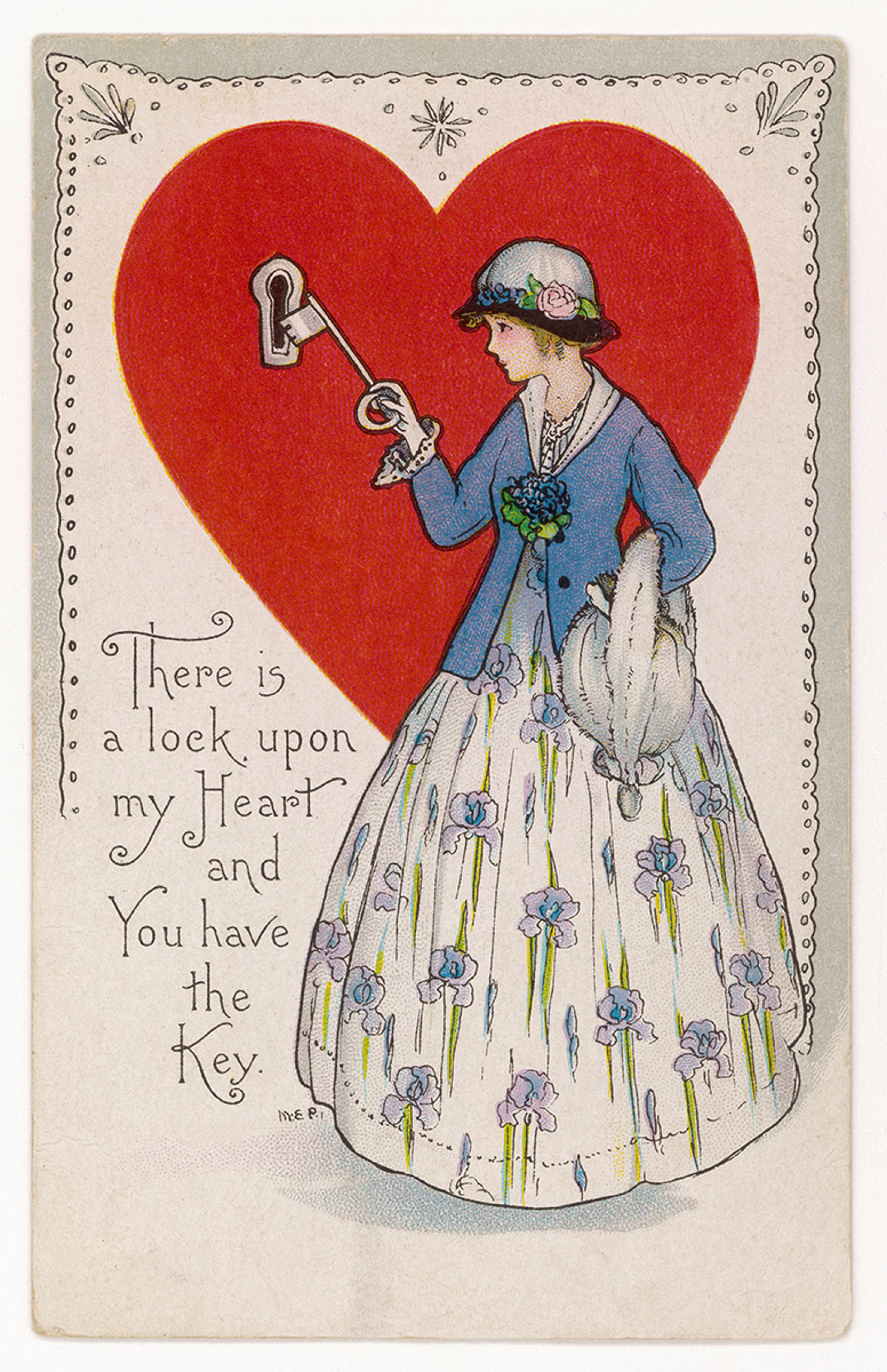
The history of Valentine's Day dates to ancient times; however, it was first declared a celebration of romantic love in 15th century France. It's no surprise, then, that one of the earliest Valentine letters was written in 1415 by the imprisoned French Duke of Orleans to his bride, Isabella, expressing his love for his “gentle valentine." Other surviving notes of this period reference love and valentines in tandem, but it wasn't until the 18th century that presenting handmade notes to romantic partners became a widespread means of marking the occasion.
The Victorians stepped up the Valentine's game even further by creating ornate handmade cards embellished with hearts, cupids, ribbons, bows, and other flourishes. This tradition endured until the Industrial Revolution and the advent of printing technologies resulted in the proliferation of mass-produced cards. Commercial card manufacturer Hallmark printed its first Valentine's Day card in 1913, and the rest, as they say, is history.
2. The heart
The heart is the universal icon of love, and one of the more plausible theories traces its shape to an extinct herb called silphium.
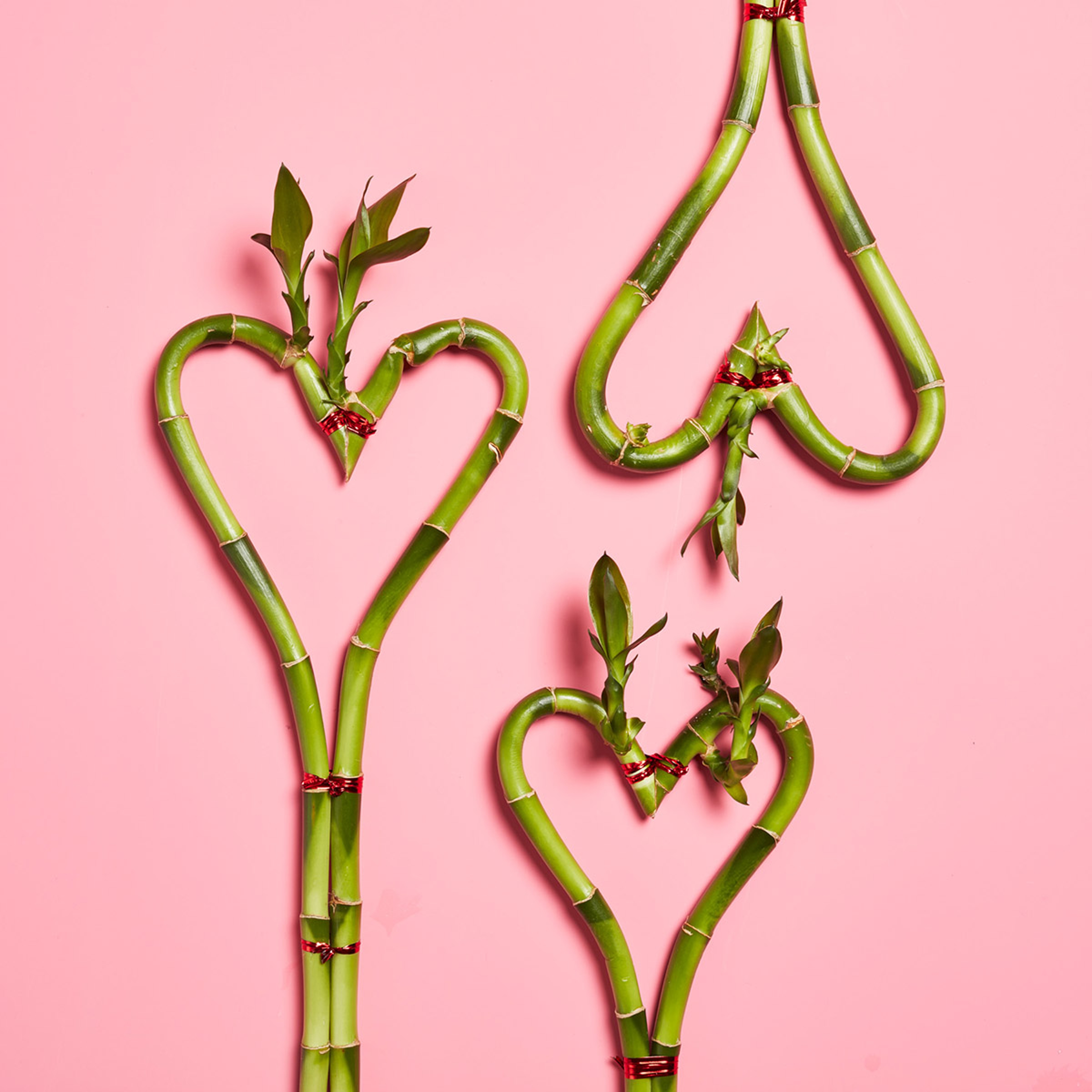
Theories abound over how the heart symbol — a universally recognized icon of love — came to be. Aristotle posited that the heart is the container of human passions. He also believed, erroneously, that the human heart contained three chambers — a left, right, and middle — and this may have led to misinterpreted renderings of its shape that resulted in the symbol we know today.
A more plausible theory, however, centers on a long-extinct herb called silphium, whose seed pod shape consisted of two rounded adjoining tops that curved to form a single point at the base of the stem. Ancient Romans harvested the plant, which they used for its medicinal properties as well as a method of contraception; the herb — and its shape — thereby became associated with fertility, which, reinterpreted over time, evolved as a symbol of love.
3. Cupid, and his bow and arrow
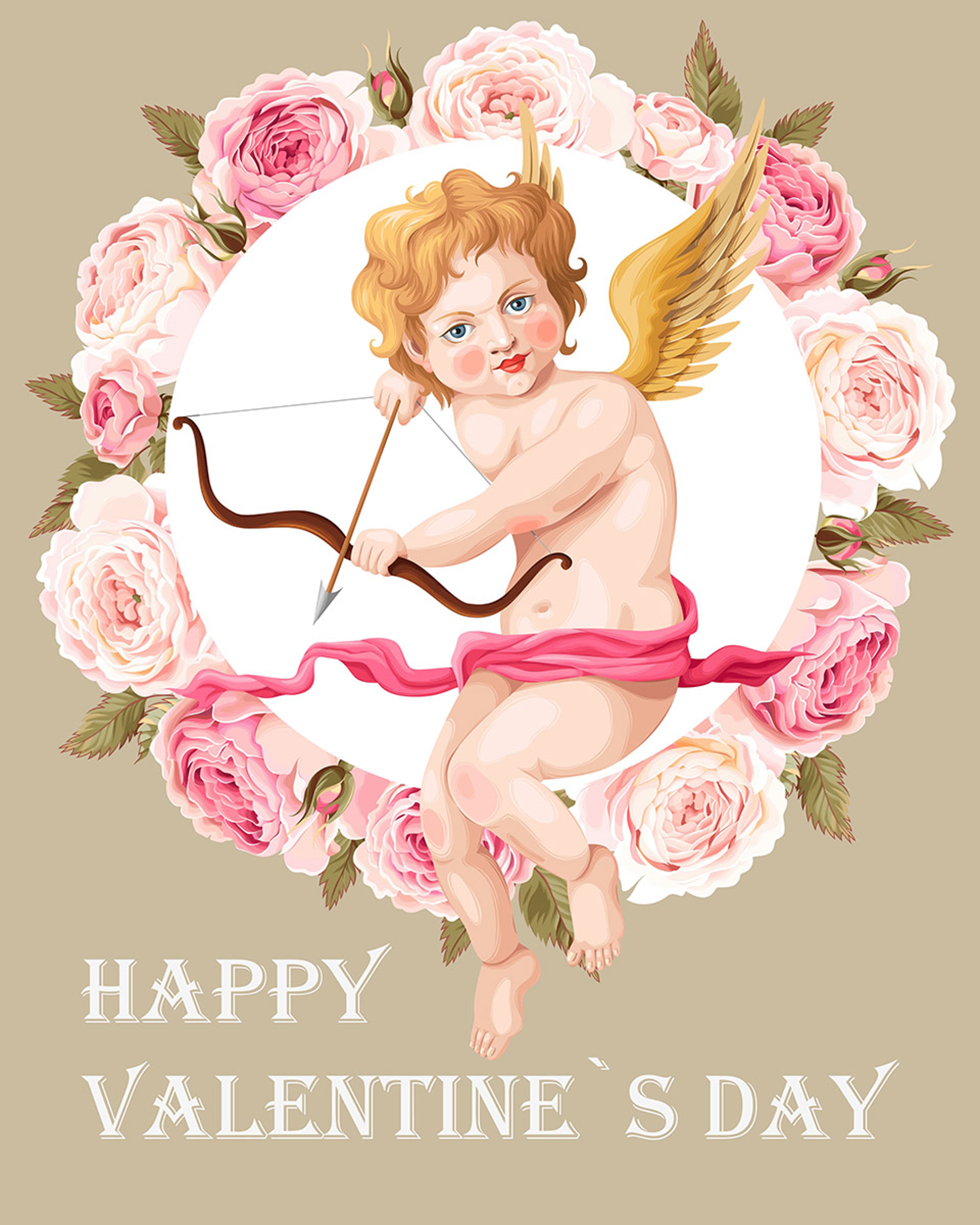
Walk through any art museum in the world, and you're likely to find sculptures and paintings that feature Cupid, the Roman god of love, whose lore originated in Greek mythology as Eros, the god of love and desire. While Eros was oft depicted as a potent young adult male, Cupid emerged during the Renaissance as a cherubic, flush-faced infant with wings and tousled hair. It's this little guy — a bow and arrow-filled satchel slung over his shoulder — who continues to get top billing on Valentine's Day.
A hopeful and sometimes mischievous matchmaker, Cupid shoots his arrow at the intended couple; the pierce rouses love and passion between the pair, leading to a lifelong relationship. So, when people are said to have been “shot by Cupid's arrow," it means they have fallen in love.
4. Doves
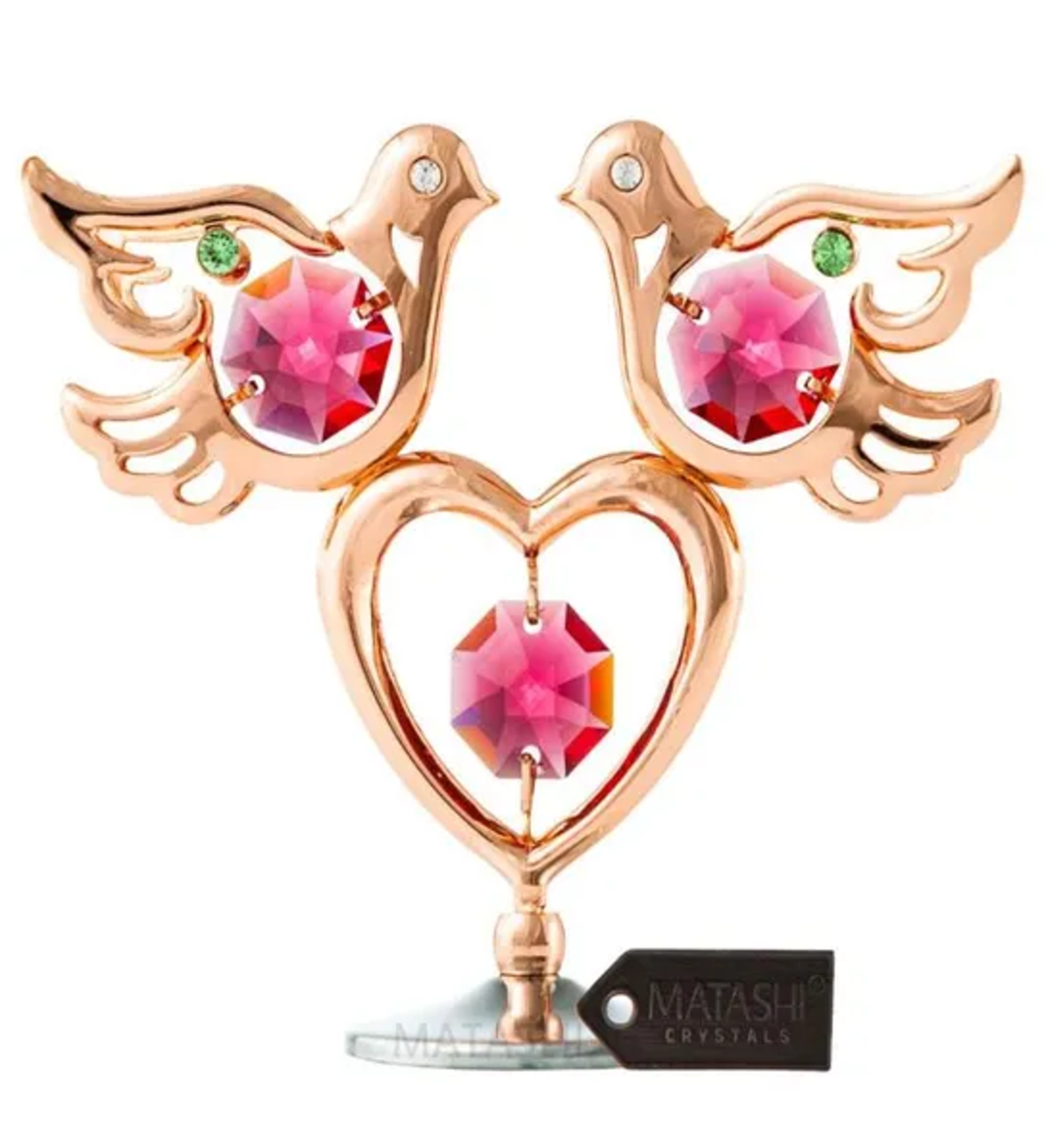
A quintessential emblem of peace, the dove is also a symbol of romantic love and monogamy thanks, in part, to its habit of mating with only one partner in a season. Male doves actively participate in the caring of the couple's offspring, which has built them a rep for being loyal and devoted helpmates. Aphrodite and Venus, the goddesses of love in Greek and Roman mythology, respectively, were often portrayed in the company of doves, which further affirms the bird's standing as an appropriate Valentine's Day motif.

5. Red, pink, and white roses

As with many other Valentine's Day icons, the red rose can be traced back to the goddesses of love, Aphrodite and Venus. According to Greek mythology, roses grew from the ground sprinkled with Aphrodite's tears that merged with the blood of her lover, Adonis, who died in her arms. Traditionally, red signifies passion and desire, which is why red roses are also one of the most popular Valentine's Day blooms.
Pink represents love of the self and others, as well as friendship, whereas white represents purity and innocence — all qualities linked to love and desire. To be clear, there's no wrong color when it comes to Valentine's Day roses — and no wrong flower, for that matter — so don't be shy if you'd prefer to send your significant other a more colorful bouquet.
6. Knots

Knots have enjoyed symbolic significance for centuries in both pagan and religious ceremonies across cultures. The phrase “tying the knot" was coined from the ancient ritual of handfasting, wherein a couple's hands were bound together in braided cloth, or knots, during marriage and betrothal ceremonies. The “binding" of the couple together through knots represented their lifelong commitment to each other. Today, knots and bows on Valentine's cards and candy boxes pay homage to this early custom.
7. Chocolate
Chocolate became a Valentine's Day gift in the Victorian era, and the heart-shaped box is believed to be Richard Cadbury's idea.
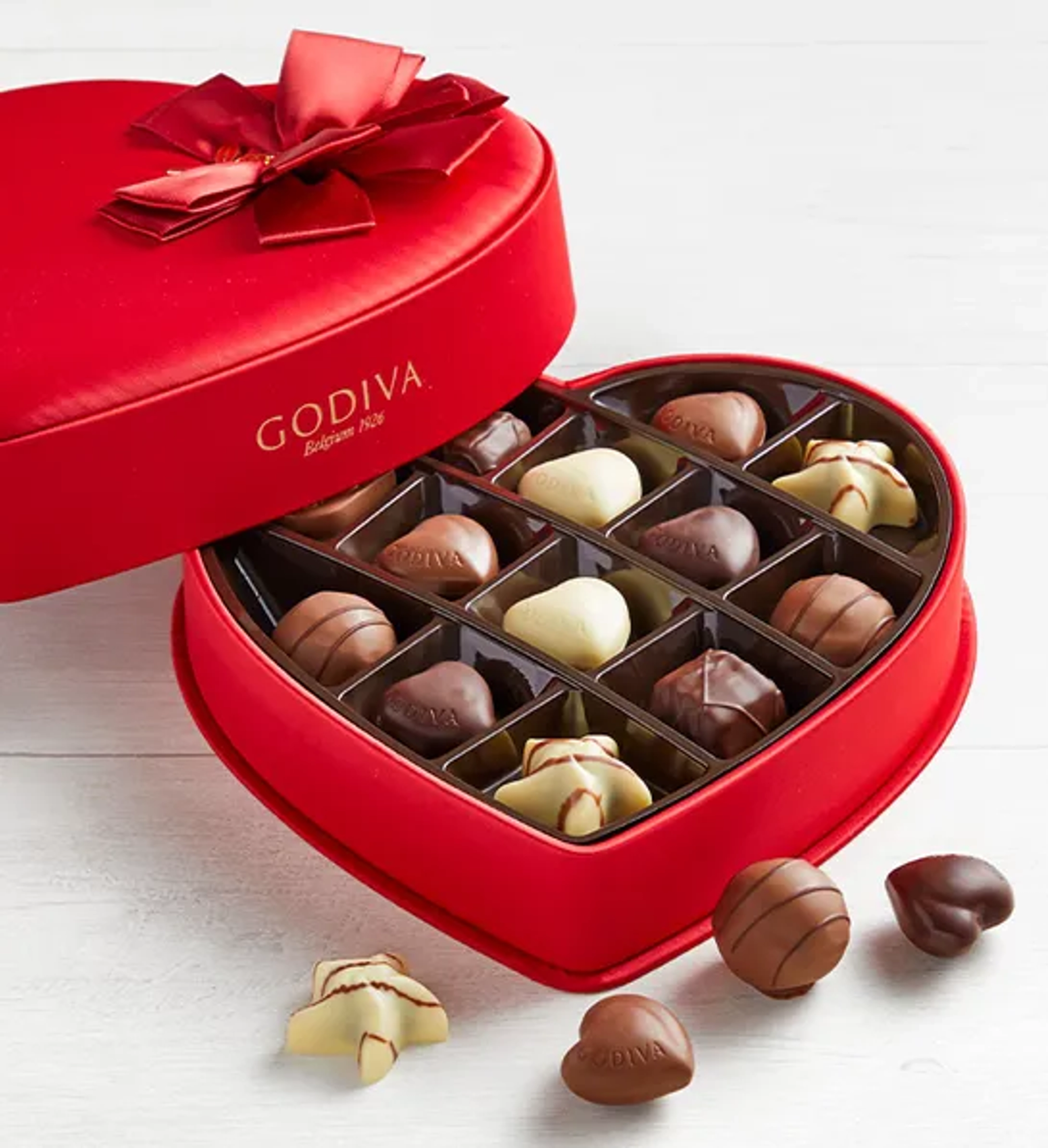
A heart-shaped box of chocolate is to Valentine's Day what eggnog is to Christmas — they are both wildly popular and you rarely see them at any other time of year.
Unlike some other traditions that date back thousands of years, the gifting of chocolate at Valentine's Day originated in the Victorian era thanks to none other than Richard Cadbury, of the Cadbury chocolate empire. In the 1840s, the Cadbury company honed its chocolate manufacturing skills to a science, prompting an increase in chocolate production for everyday consumption — a relatively new concept at the time. A marketing genius ahead of his time, Cadbury designed aesthetically pleasing boxes in which to package and sell the delicious confections.
The scheme worked. Soon, the heart-shaped box, which Cadbury is believed to have invented, came into being for Valentine's Day. Because the boxes were so beautifully adorned, consumers were encouraged to keep theirs long after the candy was gone as containers in which to preserve love notes and special keepsakes. Today, Victorian-era Cadbury boxes are a collectible.
8. Candy hearts
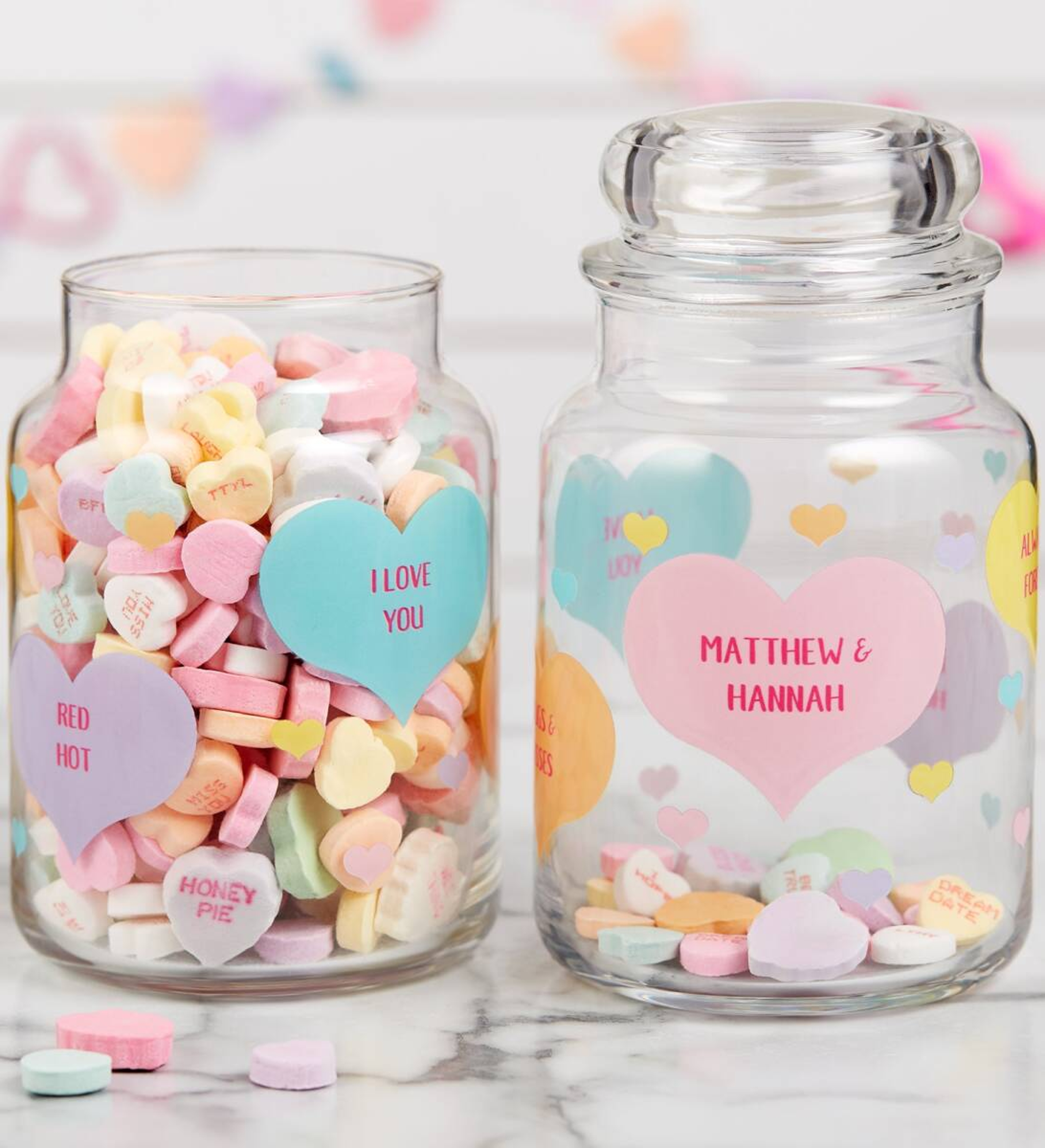
Speaking of candy, no article about Valentine's Day symbols would be complete without a mention of those pastel-colored, sugary-sweet chalky conversation hearts. Embossed with syrupy phrases like “Be mine," “Kiss me," and “You shine," this candy developed as the unintended product of a plan to invent a new throat lozenge.
In 1847, Boston pharmacist Oliver Chase, looking for a more efficient way to manufacture lozenges, developed new technology to mass-produce lozenge dough into wafers. Seeing the opportunity to do something bigger — and potentially more lucrative — Chase instead launched the New England Confectionary Company and began producing the wafers as a sweet treat. Chase's brother, Daniel, recognized a growing trend in Valentine's cards and soon figured out a way to print messages on the wafer candies. A few years later, the company began cutting the wafers into heart shapes. As the company grew, the size of the candy wafer shrunk, but it still leads the way as one of the most recognizable symbols of Valentine's Day.
Where did the heart symbol come from?
One of the more plausible theories points to silphium, an extinct herb with a seed pod that had two rounded tops curving to a single point. The ancient Romans used it for its medicinal properties and as a method of contraception, so the plant and its shape became linked with fertility. Over time, that link turned into a symbol of love. Another theory credits Aristotle's mistaken belief that the heart had three chambers, which may have led to misdrawn versions of its shape.
Why is Cupid a Valentine's Day symbol?
Cupid is the Roman god of love, and he plays the part of matchmaker on Valentine's Day. In the stories, he shoots his arrow at a couple to spark love and passion between them, which is why people who fall in love are said to be “shot by Cupid's arrow.” His look comes from the Renaissance, when he began to appear as a winged, flush-faced infant instead of the young adult Greek Eros.
What do red, pink, and white roses mean?
Red roses mean passion and desire, which helps explain why they're one of the most popular Valentine's Day blooms. Pink stands for love of the self and others, along with friendship, and white stands for purity and innocence. There's no wrong color, so a more colorful bouquet is a fine choice too.
Why are doves a Valentine's Day symbol?
Doves are an emblem of peace and of romantic love. They have a reputation for monogamy because they mate with only one partner in a season, and male doves help care for the offspring, which has earned them a name as loyal, devoted partners. Aphrodite and Venus were also often portrayed with doves, so the bird fits the holiday well.
What do knots symbolize on Valentine's Day?
Knots symbolize lifelong commitment. The idea comes from handfasting, an ancient ritual in which a couple's hands were bound together in braided cloth during marriage and betrothal ceremonies. It's also where the phrase “tying the knot” comes from, and the knots and bows on today's cards and candy boxes nod to that custom.
Why do we give chocolate on Valentine's Day?
The tradition started in the Victorian era with Richard Cadbury. He designed beautifully decorated boxes for his company's chocolates, and the heart-shaped box is believed to be his invention. The boxes were so pretty that people kept them long after the candy was gone, often to hold love notes and keepsakes.
Where did conversation hearts come from?
They began as a byproduct of an effort to invent a new throat lozenge. In 1847, Boston pharmacist Oliver Chase found a way to mass-produce lozenge dough into wafers and launched the New England Confectionary Company to sell them as candy. His brother Daniel worked out how to print messages like “Be mine” and “Kiss me” on the wafers, and a few years later the company began cutting them into heart shapes.
AUTHOR

Rebecca Razo has over 20 years of experience in book and magazine publishing, editorial project management, and content creation. She has overseen the creative development of hundreds of books, and she writes across multiple categories, including art, DIY, home decor, lifestyle, and more. Originally from Southern California, Rebecca now lives in the Pacific Northwest where she enjoys hiking, reading, baking, and cuddling with her two dogs and cat.